
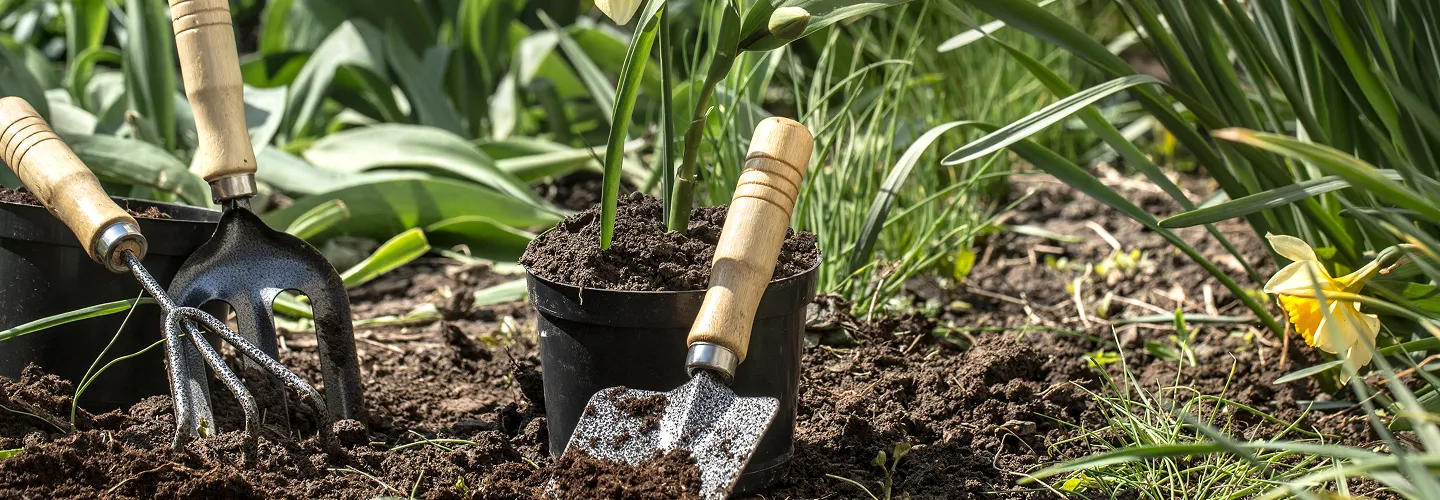
Newnan Flower Planting Services
Choose our expert flower planting services to enjoy vibrant, healthy gardens that enhance your home's curb appeal and bring lasting color to your outdoor spaces.
Get a Free QuoteOur Newnan Landscaping & Yard Care Services
When to Schedule Flower Planting in Newnan, Georgia – Seasonal Guide
Flower planting in Newnan, Georgia, is best scheduled with careful attention to our region’s unique climate and landscape. The ideal planting windows are typically early spring, after the last frost date in late March, and early fall, when soil temperatures remain warm but the risk of drought diminishes. Neighborhoods like Summergrove and Arbor Springs often see vibrant blooms when planting is timed to coincide with these seasonal shifts, taking advantage of Newnan’s moderate humidity and well-draining clay soils.
Local environmental factors play a significant role in determining the success of your flower beds. For example, areas near the Chattahoochee Bend State Park may experience more shade and cooler microclimates, while properties closer to downtown Newnan might contend with urban heat and compacted soils. It’s also important to monitor municipal guidelines and resources, such as those provided by Sudbury’s local government, to stay informed about any watering restrictions or community initiatives that could impact your planting schedule.
Local Factors to Consider for Flower Planting in Newnan
- Proximity to mature trees and resulting shade coverage
- Soil composition and drainage, especially in neighborhoods with heavy clay
- Average precipitation and risk of late spring or early fall droughts
- Terrain slope, which can affect water runoff and soil erosion
- Municipal watering restrictions or seasonal guidelines
- Localized frost dates and microclimate variations
Benefits of Flower Planting in Newnan
Expert Local Knowledge
Customized Landscape Designs
Seasonal Plant Selection
Enhanced Curb Appeal
Eco-Friendly Practices
Reliable Maintenance Services

Newnan Flower Planting Types

Annual Flower Planting
-
Perennial Flower Beds
-
Native Wildflower Gardens
-
Seasonal Color Rotations
-
Pollinator-Friendly Plantings
-
Shade Garden Flowers
-
Drought-Tolerant Flower Beds
Our Flower Planting Process
Site Evaluation
Soil Preparation
Plant Selection
Careful Planting
Watering and Mulching
Why Choose Newnan Landscape Services
-
Newnan Homeowners Trust Us
-
Expert Lawn Maintenance
-
Reliable Scheduling
-
Competitive Pricing
-
Professional Team
-
Satisfaction Guarantee
-
Personalized Service
Newnan's Piedmont Red Clay Soils and Bed Preparation for Flower Planting
Newnan sits within Georgia's Piedmont region, where soils are predominantly Cecil and Appling series — dense, red clay-based Ultisols with naturally acidic pH levels typically ranging from 5.0 to 6.0. These soils drain poorly when compacted and can restrict root development for flowering annuals and perennials if not properly amended before planting. According to the USDA Web Soil Survey, Coweta County soils exhibit moderate to high clay content with limited infiltration capacity in developed areas. Effective bed preparation for flower planting in Newnan should include:
- Soil testing to determine pH and nutrient levels before amendment (UGA Extension recommends testing every 2–3 years)
- Incorporation of 3–4 inches of organic matter such as compost to improve drainage and aeration
- Lime application to raise pH toward the 6.0–6.5 range preferred by most flowering species
- Tilling to a minimum depth of 8–10 inches to break compaction layers common in older residential lots
UGA Cooperative Extension provides soil testing services and amendment guidance specific to Piedmont Georgia conditions.
Optimal Flower Planting Windows for Newnan's USDA Zone 8a Growing Season
Newnan, Georgia falls within USDA Plant Hardiness Zone 8a, with average annual minimum temperatures between 10°F and 15°F. The city's long warm season — typically spanning from late March through early November — supports multiple planting windows for both cool-season and warm-season flowering species. The National Weather Service Peachtree City office serves the Newnan area and provides local frost date data relevant to planting decisions. Key timing guidelines include:
- Cool-season annuals (pansies, snapdragons, dianthus): plant from mid-September through October for fall color, or late February through March for spring display
- Warm-season annuals (impatiens, zinnias, marigolds, vinca): plant after the last average frost date, typically mid-March to early April in Newnan
- Perennials: spring planting (March–May) allows root establishment before summer heat; fall planting (September–October) is also effective for many species
- Summer heat caution: Newnan's July and August temperatures regularly exceed 90°F, making establishment irrigation critical for transplants set after late May
Avoid planting heat-sensitive species during peak summer without consistent supplemental irrigation and mulch coverage of at least 2–3 inches.
Protecting Newnan Stormwater Infrastructure During Flower Bed Installation and Maintenance
Flower bed installation and ongoing maintenance activities — including soil amendment, fertilizer application, and irrigation — can contribute to nutrient-laden runoff that enters Newnan's stormwater drainage network. The city's stormwater system connects to local waterways including Wahoo Creek and its tributaries, which drain through Coweta County into the Chattahoochee River basin. Under the Clean Water Act and the EPA NPDES Program, municipalities including Newnan are required to manage stormwater quality through local ordinance and infrastructure maintenance. Property owners and landscape professionals should observe the following practices:
- Apply granular fertilizers only to dry soil and water in immediately to prevent surface runoff
- Maintain a minimum 10-foot buffer between fertilized or amended beds and any storm drain inlet, drainage ditch, or creek bank
- Avoid blowing or washing soil, mulch, or plant debris into street gutters or storm drains
- Use slow-release fertilizer formulations to reduce leaching risk in Newnan's clay-based soils
Newnan Stormwater Management
25 LaGrange Street, Newnan, GA 30263
Official Website: Newnan Stormwater Management
The Georgia EPD Watershed Protection Branch also provides guidance on water quality protection relevant to residential and commercial landscape activities.
Selecting Heat- and Humidity-Tolerant Flowering Plants for Newnan Landscapes
Newnan's humid subtropical climate, with summer relative humidity frequently exceeding 70% and rainfall averaging approximately 52 inches annually, creates specific challenges for flowering plant selection. Species that perform poorly under sustained heat and humidity are prone to fungal disease, root rot, and premature decline in Newnan's conditions. UGA Cooperative Extension recommends prioritizing regionally adapted species for Georgia Piedmont landscapes. Recommended heat- and humidity-tolerant flowering plants for Newnan include:
- Annuals: Vinca (Catharanthus roseus), Pentas, Angelonia, Portulaca, Gomphrena, and Torenia for shaded beds
- Perennials: Coneflower (Echinacea), Black-eyed Susan (Rudbeckia), Salvia, Lantana, and Daylily (Hemerocallis)
- Native options: Native Coneflower, Wild Blue Indigo (Baptisia australis), and Swamp Rose Mallow (Hibiscus moscheutos) for rain garden or low-area beds
- Avoid: Impatiens walleriana in full-sun or poorly ventilated beds due to downy mildew susceptibility in humid Georgia summers
Property owners should also consult UGA Extension's Invasive Species resources before introducing ornamental species that may naturalize aggressively in Coweta County's woodland edges and creek corridors.
Newnan Code Enforcement Standards Affecting Frontage Beds and Planting Visibility
Flower planting along street frontages, rights-of-way, and property edges in Newnan is subject to municipal code standards administered by Newnan Code Enforcement. Overgrown or improperly maintained planting beds that obstruct sightlines at intersections, encroach on sidewalks, or create nuisance conditions may result in code violations. Newnan's Planning & Zoning department administers land use and development standards that may affect bed placement in certain zoning districts, particularly in commercial corridors and historic areas. Residents and property managers should be aware of the following:
- Plantings within the public right-of-way require coordination with the city; unauthorized permanent installations may be subject to removal
- Corner lot plantings must maintain clear sightline triangles at intersections — verify current dimensional requirements with the city
- Beds adjacent to sidewalks should not allow plant material to overhang or obstruct pedestrian passage
- Historic district properties may be subject to additional design review through Newnan's Planning & Zoning office before significant landscape alterations
Newnan Code Enforcement
25 LaGrange Street, Newnan, GA 30263
Official Website: Newnan Code Enforcement
What Neighborhoods Do We Serve Throughout Newnan, GA?
- Historic Downtown Newnan: Older residential lots with established tree canopy, acidic clay soils, and mature shade conditions that require careful selection of shade-tolerant flowering species and attention to historic district landscape standards.
- Summergrove: A large planned community with HOA-maintained common areas, newer fill soils, and detention pond features that require runoff-conscious fertilizer and amendment practices near drainage infrastructure.
- Arbor Springs: A wooded residential community with significant tree canopy and shaded bed conditions, where moisture-retentive clay soils and limited sun exposure influence flowering plant selection.
- Newnan Crossing / Bullsboro Corridor: Mixed residential and commercial development along major corridors where frontage bed maintenance must comply with visibility and right-of-way standards.
- Shenandoah: An established subdivision with mature landscaping, compacted urban soils, and seasonal drainage variability that affects bed drainage and plant establishment timing.
- Glenloch / Cannongate: Newer subdivisions with construction-disturbed fill soils that may require more intensive amendment and pH correction before successful flower planting can be achieved.